Classic Puzzle Games That Never Get Old
Some games disappear after a few months of hype. Others stick around for decades. Puzzle games belong firmly in the second category. Whether you have five minutes between meetings or an entire evening to fill, the right puzzle game delivers a satisfying mental challenge every single time. This guide compares three of the best -- Tetris, 2048, and Block Breaker -- and helps you figure out which one suits your play style.
What Makes a Puzzle Game Timeless?
The best puzzle games share two qualities. First, simple rules. You can explain how Tetris works in under thirty seconds: shapes fall, you rotate them, complete lines disappear. Second, deep strategy. Despite those simple rules, mastering the game takes hundreds of hours. This "easy to learn, hard to master" design is the reason these games remain popular long after their original release.
Timeless puzzle games also scale naturally with skill. A beginner and an expert play the same game, but their experiences are completely different. That built-in skill curve keeps players coming back year after year.
Tetris: The Spatial Puzzle King
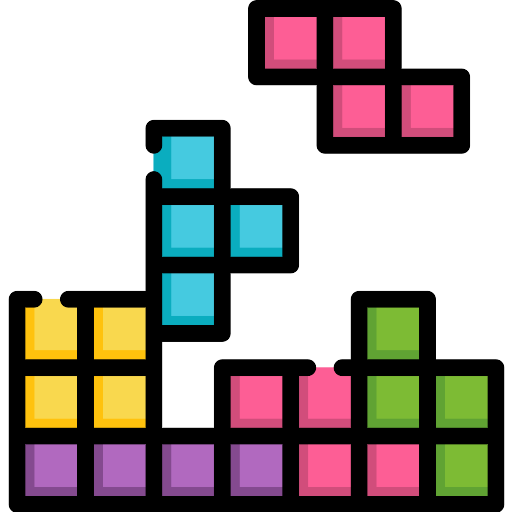
Tetris launched in 1984 and remains one of the most played video games in history. Seven distinct shapes called tetrominoes fall from the top of a rectangular grid. You rotate and position each piece to complete horizontal lines, which then clear from the board. If the stack reaches the top, the game ends.
What makes Tetris endure is the combination of pattern recognition and time pressure. Every piece demands a split-second decision about where it fits best. As the speed increases, your brain must process spatial information faster and faster. This creates a state of intense focus that psychologists call "flow."
The competitive Tetris scene has grown dramatically in recent years, with players battling head-to-head by sending garbage lines to their opponent. If you have never tried it, play Tetris on our site to experience why this game has lasted over four decades.
2048: The Number Strategy Challenge
While Tetris tests spatial reasoning under pressure, 2048 rewards patience and planning. The game presents a 4x4 grid where numbered tiles slide in four directions. When two tiles of the same number collide, they merge into one tile with double the value. The goal is to create a tile showing 2048.
The core strategy revolves around keeping your highest tile locked in one corner and building a descending chain along the edges. This corner strategy dramatically increases your win rate. The satisfaction of a single swipe triggering a cascade of merges -- 4 into 8, 8 into 16, 16 into 32 -- is what keeps players hooked.
Unlike Tetris, 2048 has no time limit, making it perfect for commutes or quiet moments. For a detailed breakdown of winning techniques, check out our 2048 strategy guide. When you are ready to practice, play 2048 directly in your browser.
Block Breaker: Where Puzzle Meets Arcade
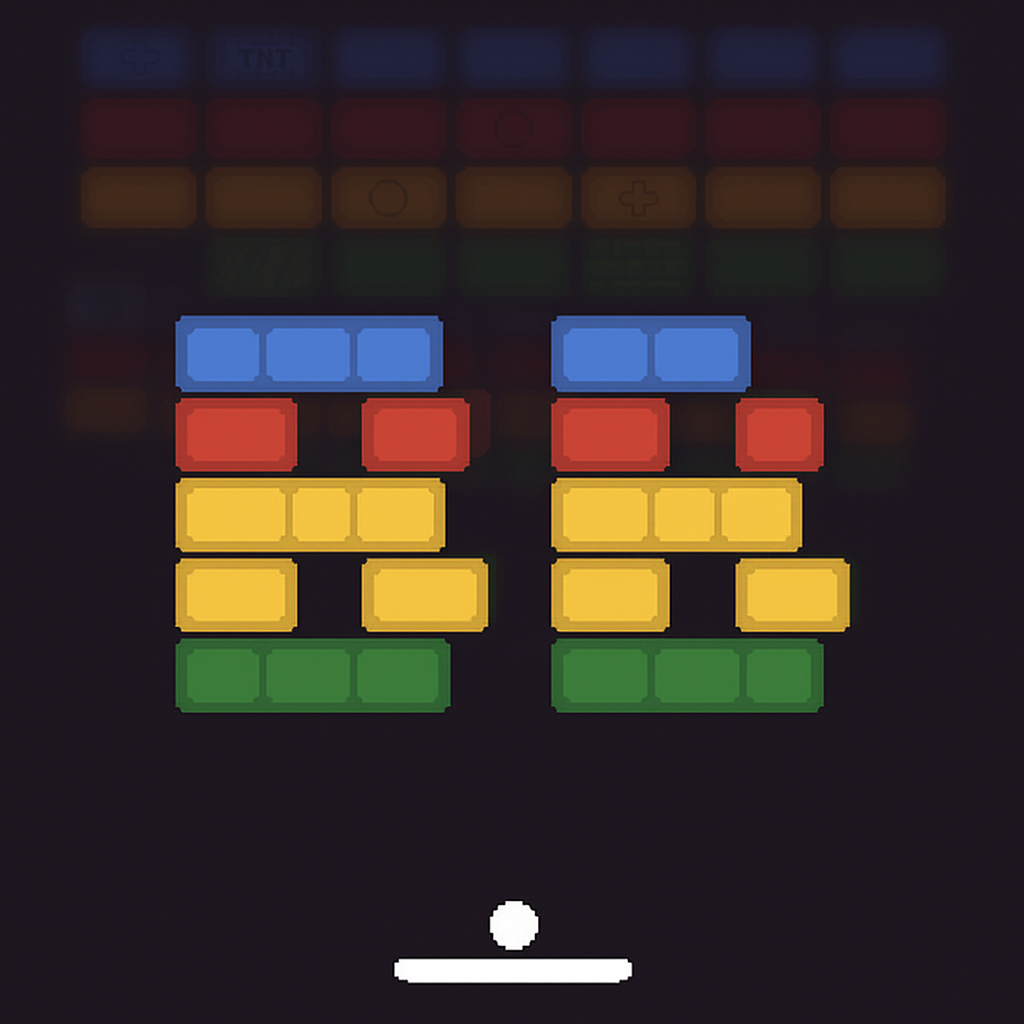
Block Breaker blends puzzle elements with arcade-style action. You control a paddle at the bottom of the screen, bouncing a ball upward to destroy blocks arranged in patterns above. The puzzle aspect comes from figuring out angles and trajectories -- where should you aim the ball to clear the most blocks with the fewest bounces?
The game adds depth through power-ups that drop from destroyed blocks. Some widen your paddle, others add extra balls, and a few grant the ability to shoot through blocks directly. Deciding when to chase a power-up versus when to play it safe creates meaningful choices during every round.
Block Breaker appeals to players who want a puzzle experience with more physical engagement. You need quick reflexes to keep the ball in play, but also forethought to aim effectively. Play Block Breaker to see how puzzle strategy and arcade reflexes combine.
Comparing the Three
Each game exercises a different part of your brain. Here is how they stack up:
| Category | Tetris | 2048 | Block Breaker | |---|---|---|---| | Primary Skill | Spatial reasoning | Strategic planning | Reflexes and angles | | Time Pressure | High (pieces fall faster) | None (untimed) | Medium (ball keeps moving) | | Typical Session | 5-15 minutes | 10-30 minutes | 5-20 minutes | | Difficulty Curve | Steep at high speeds | Gradual | Moderate | | Replay Value | Very high | High | High | | Best For | Quick focus sessions | Thoughtful problem solving | Action-oriented fun |
All three games score high on replay value because no two sessions play out the same way. Random elements -- piece order in Tetris, tile spawns in 2048, block layouts in Block Breaker -- ensure that memorization alone will never be enough.
Which One Should You Play?
Choose Tetris if you thrive under pressure and love entering a focused, almost meditative state at high speeds. It is also the best choice for very short play sessions.
Choose 2048 if you prefer to think carefully before acting. There is no clock, no urgency -- just you and the grid. It is ideal for players who enjoy optimization.
Choose Block Breaker if you want something more physically engaging. The combination of aiming, timing, and power-up management creates a satisfying loop that neither pure puzzle nor pure arcade games can match.
Of course, the best option is to try all three. You can browse our full game collection to find even more options, including Snake and Pac-Man.
Frequently Asked Questions
Are puzzle games actually good for your brain? Research shows that puzzle games improve spatial reasoning, working memory, and processing speed. Tetris in particular has been linked to increased cortical thickness in brain regions associated with visual-spatial processing.
Can I play these games on my phone? Yes. All three games on our site are browser-based and work on mobile devices, tablets, and desktop computers. No downloads are required.
Which game is best for beginners? 2048 is the most forgiving starting point because there is no time pressure. Tetris on lower speeds is also beginner-friendly. Block Breaker falls in between -- the ball moves at a set pace, but early levels are relatively slow.
How long does it take to get good at these games? Most players develop competent skills within a few hours. Reaching an advanced level takes weeks or months, but improvement feels continuous -- you notice yourself getting better session by session.
Are there multiplayer versions of these games? Tetris has a well-established competitive multiplayer scene. 2048 is primarily single-player. Block Breaker is traditionally single-player but offers leaderboard competition for high scores.
Ready to start playing? Pick any game from the links above, or visit our games page to explore the full collection.